 نسخه فارسی

Weaponizing Time: How Iran Is Eroding America’s Regional Defense Architecture
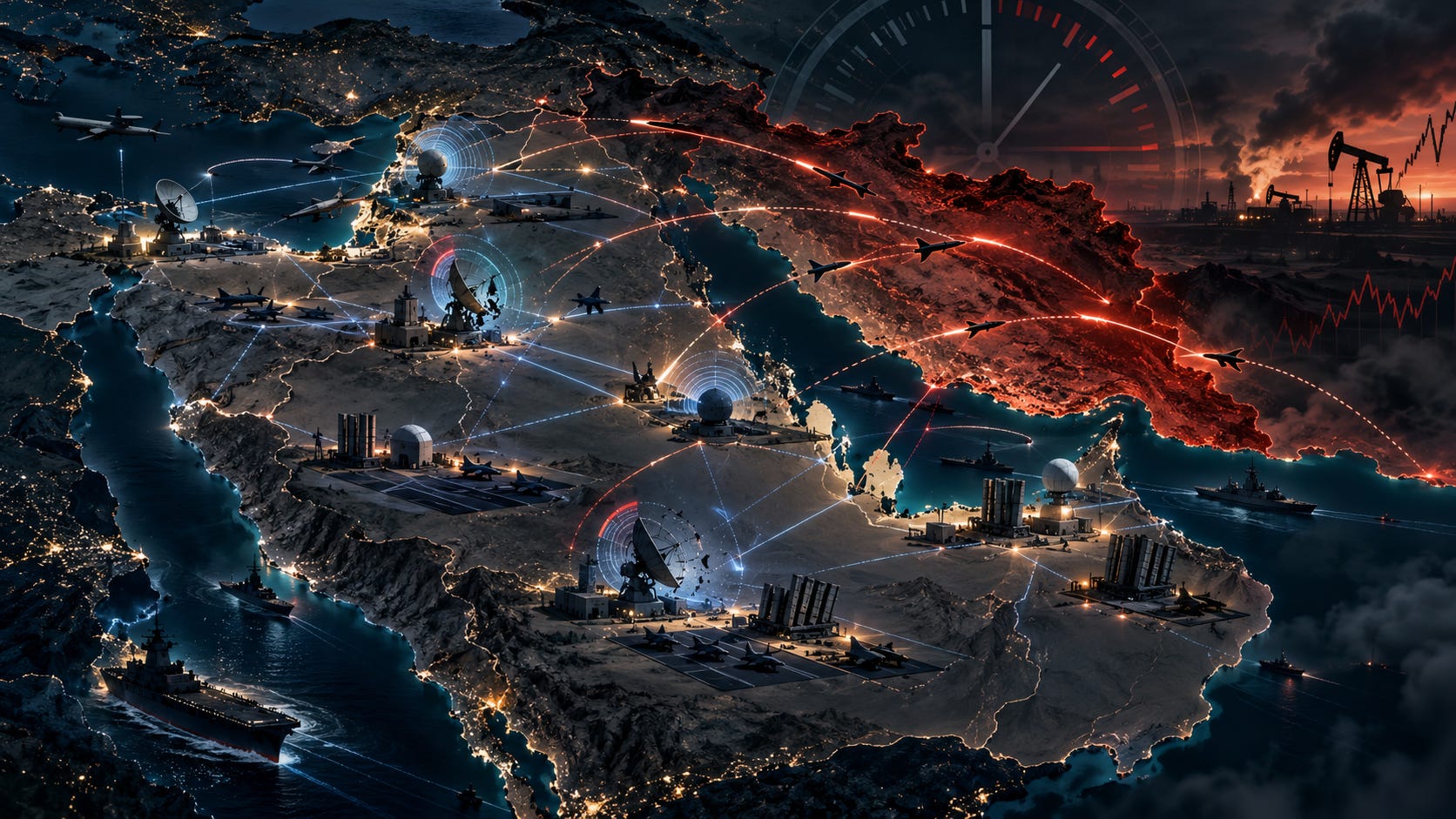
The most important battlefield development in the ongoing war between Iran and the United States is the narrowing security margin surrounding the U.S. presence in the region. Protecting American bases, personnel, and infrastructure is becoming more difficult and costly by the day. Iran’s strategy should be understood in this context: transforming the war from a contest for immediate victory into a long-term process of eroding its adversary’s defensive and operational capabilities.
Recent estimates indicate that U.S. inventories of Patriot interceptors have fallen by at least 65 percent from their pre-war level. THAAD interceptor stocks are likewise estimated to remain at least 38 percent below pre-war levels, despite the replacement of some of the munitions already expended. As battlefield developments also suggest, these figures point to a reduced capacity and a lower likelihood of intercepting Iranian missiles and drones.
Alongside the depletion of interceptor stocks, the vulnerability of U.S. bases has become more apparent, particularly following the destruction of surveillance radars. A Washington Post analysis of satellite imagery in its May 7, 2026, report confirmed damage to or destruction of at least 228 structures and pieces of equipment across 15 U.S. military facilities in the region. Developments over the past two months suggest that this vulnerability has not diminished; if anything, it has increased. Iranian missiles have targeted hangars, fuel storage facilities, accommodation buildings, radar equipment, satellite communications, and components of Patriot and THAAD systems. Assessments have also indicated that many Iranian strikes have demonstrated considerable accuracy and caused significant damage.
The damage sustained has severely constrained the United States’ ability to continue air operations against Iran, although it has not eliminated that capability entirely.
A second development is the improvement in Iran’s intelligence cycle. The publication of detailed imagery showing damage to U.S. bases, combined with strikes on sensitive targets, suggests that Tehran has gained access to more timely and accurate intelligence on recent adversary movements, the location of military equipment, command centers, and troop concentrations.
Drone strikes on facilities associated with the CIA are particularly significant in this respect. Reuters has reported that at least two secret CIA facilities—one in Saudi Arabia and another in eastern Iraq—have been targeted. This evidence suggests that the interval between target identification, strike execution, and damage assessment has shortened. The battlefield has become more transparent to Iran, while concealing sensitive equipment has become more difficult for the United States.
Under these conditions, the principal difference between the two sides lies in their respective time horizons. The United States generally seeks to use intensive waves of air strikes to destroy Iranian missile launchers, command centers, missile and drone facilities, and coastal infrastructure within a short period. Iran, by contrast, is pursuing a longer-term approach and is not necessarily seeking an immediate result. In each round of fighting, Tehran seeks to reduce part of the United States’ defensive capacity and regional military presence: one fewer surveillance radar, one evacuated base, more equipment requiring additional resources for its protection, and pressure from high oil prices that must be sustained over a longer period.
From this perspective, limited conflict is not merely a temporary confrontation for Iran; it is a stage in preparing the battlefield for the next wider war.
Now that Israel is not directly participating in the attacks and U.S. surveillance and tracking radars have suffered serious damage, Iran has a greater opportunity to concentrate pressure on the U.S. military architecture in the region—an architecture that would serve as the principal support structure for U.S. operations and the defense of Israel in the next full-scale war. Iran’s pre-emptive strikes on Jordan on July 29, 2026, can also be understood from this perspective.
The success of this strategy depends not only on the ability of Iran’s missiles to hit their targets but also on Tehran’s ability to manage escalation. Tehran must impose sufficient costs to erode the U.S. presence in the region and constrain its operational capabilities, but not so much as to push Washington into a premature full-scale war and a broader use of its offensive advantage.
Iran is turning time into a weapon: forcing its adversary to expend munitions that take years to replenish, increasing the vulnerability of military bases through the destruction of surveillance radars, keeping oil prices elevated over the long term, and steadily raising the cost of maintaining a U.S. military presence in the region.