 نسخه فارسی
The Unstable State of “Neither War nor Peace”
Date of the original publication: 24 April 2026
The United States’ unilateral extension of the ceasefire shows that Washington, at least at this stage, does not appear inclined to re-enter a direct military confrontation with Iran. The reason is clear: the recent military operation not only failed to bring the United States and Israel closer to their stated objectives, but also imposed heavy economic, political, and military costs. Alongside these losses, signs of strain on U.S. and Israeli munitions stockpiles and operational capability have also become visible, making any continuation of the war more costly for both the United States and Israel.
Under these conditions, the region has entered a state of “neither war nor peace”: a situation that appears to fall short of full-scale war, but in practice is neither desirable nor sustainable for any of the three principal actors—Iran, the United States, and Israel.
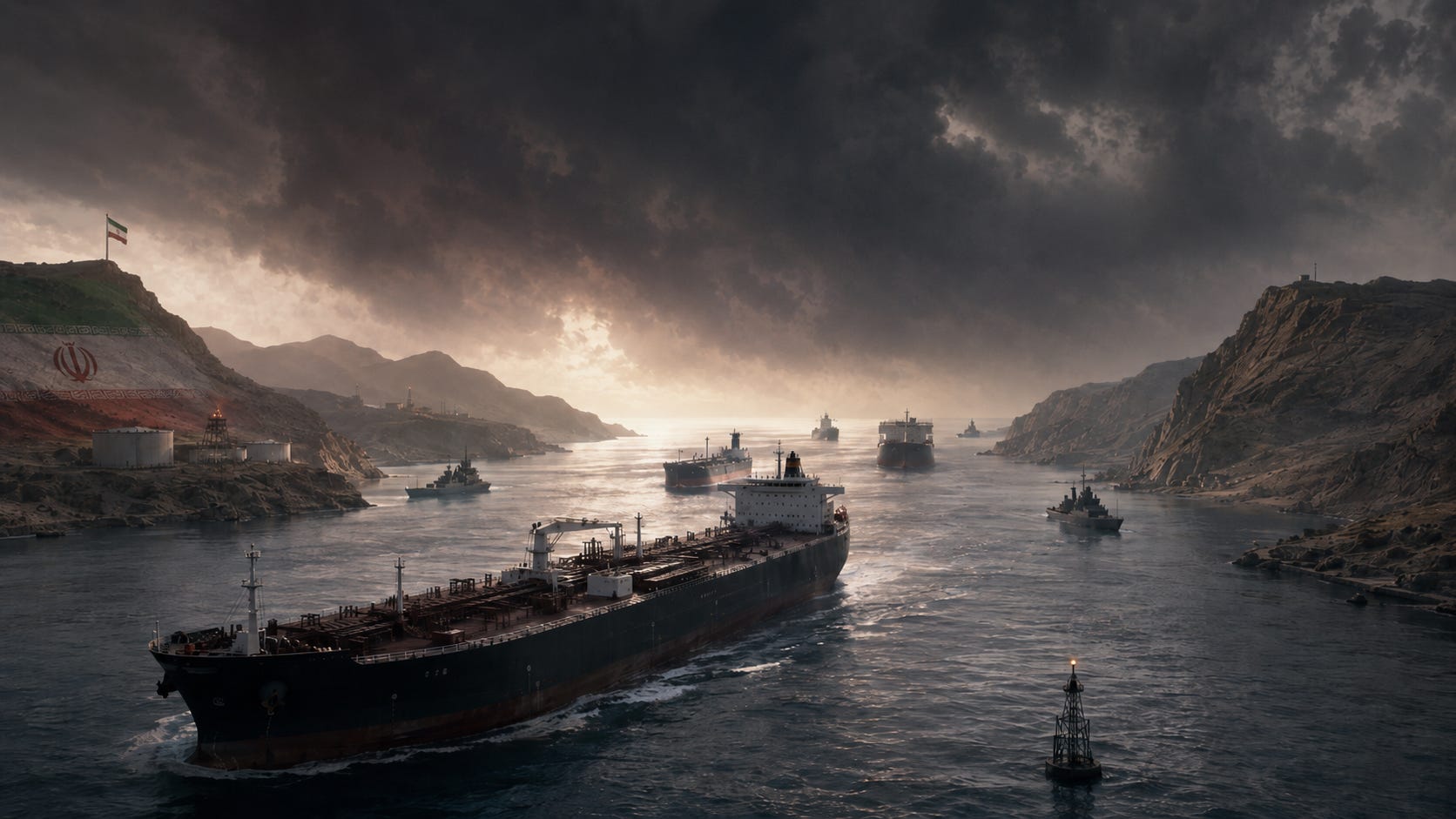
For Iran, this situation is costly. The U.S. maritime blockade against Iran, although in practice it appears limited, incomplete, and ineffective, has nevertheless increased the risks to Iran’s maritime trade and raised transaction costs. At the same time, the Strait of Hormuz can work to Iran’s advantage only if this route remains open and ships pass through it while paying transit fees. Alongside this, international sanctions remain in place, the economic and infrastructural effects of the war are gradually emerging, and the state of limbo between war and peace—combined with prolonged internet disruptions—has kept Iran’s economy in a condition of stagnation, uncertainty, and instability.
But this situation is also costly for the United States. The continued closure of the Strait of Hormuz places greater pressure on the global economy with each passing day. Even if the Strait were reopened today, it would take months for the energy market, transport and logistics chains, and commodity prices to return to normal. The longer this crisis continues, the more difficult and costly the recovery process becomes. Rising fuel and consumer-goods prices in the United States and elsewhere will gradually increase social and political pressure on the White House.
Inside the United States, although Democrats are almost uniformly opposed to continuing the war and Republicans, for now, remain behind Trump, this alignment is fragile. The continuation of the crisis, rising economic costs, and domestic legal and political pressure could create new divisions within the administration’s support base. At the same time, from the perspective of Washington and Tel Aviv, each additional day of this situation gives Iran more time—an Iran that now has more motivation, strategic justification, and capability than ever to move toward nuclear deterrence.
Therefore, the limbo between war and peace harms all three sides. Iran remains under the economic, security, and psychological pressure of this situation. The United States faces pressure from the energy crisis, damage to the global economy, and domestic political consequences. Israel, meanwhile, is concerned that each day of delay gives Iran more time to restore its operational capability, rebuild deterrence, and move toward nuclear capabilities.
The important point, however, is that each actor is pursuing a different path out of this situation. The interests of the United States and Iran lie in ending this impasse through an agreement: one that reduces economic and security pressure on Iran, extricates the United States from a costly attritional crisis, and creates a framework for resolving the issue of Iran’s enriched uranium. Israel, however, cannot tolerate such an outcome, especially if the agreement includes partial sanctions relief for Iran. At the same time, Israel does not have the capacity to continue a large-scale war of attrition against Iran on its own. For this reason, Tel Aviv’s preferred scenario is to draw the United States back into a more intense and full-scale war, because it sees a diplomatic end to the crisis as a strategic loss.
The central issue now is which side has greater capacity to endure this attritional situation, and which side will reach the point at which it must act first. Iran will probably try to maintain pressure and neutralize the maritime blockade through limited and controlled measures in the Strait of Hormuz, without necessarily crossing the threshold into full-scale war. But the United States appears to face greater urgency to exit this situation. Economic pressure, concern over the prolongation of the crisis, domestic political vulnerability, and the issue of Iran’s nuclear program all make time work against Washington.
For this reason, the current situation cannot continue for long. The United States will be forced to take action to break out of this impasse. The central question is whether that action will mean a return to the negotiating table—or a move toward escalation.
Thanks for reading! Subscribe for free to receive new posts and support my work.