 نسخه فارسی
The Strait of Hormuz: A Vital Necessity for Iran in Postwar Strategic Calculations
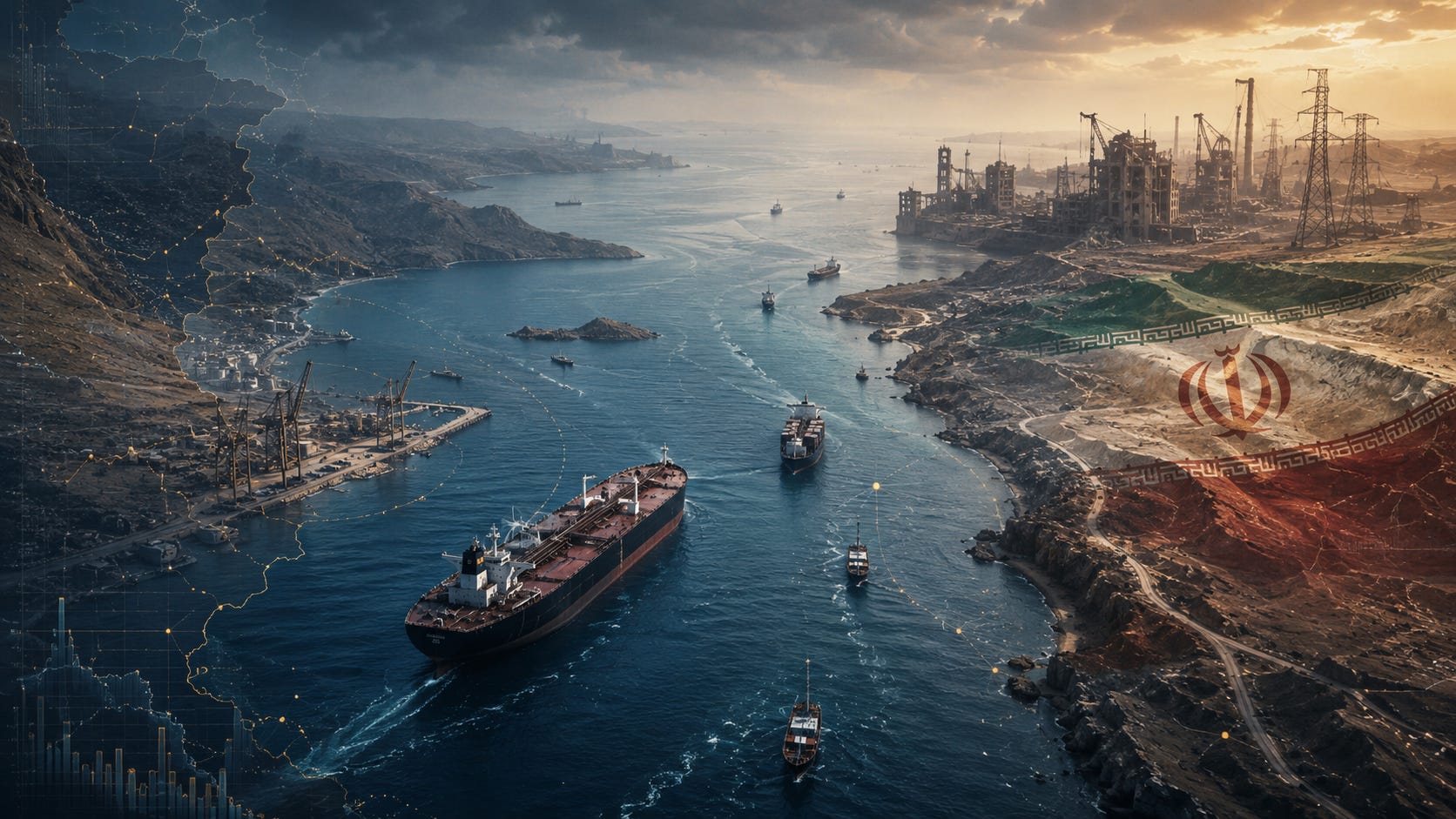
In the current circumstances, control over the Strait of Hormuz is no longer merely a geopolitical asset for Iran. It has become a vital necessity in postwar strategic calculations.
Previous experience has shown that the mere signing of an agreement with the United States does not mean immediate and effective sanctions relief. The sanctions architecture against Iran is a complex network of laws, legislative measures, executive orders, and multilayered legal and political mechanisms. Suspending or lifting these sanctions would be a lengthy and costly process, vulnerable to obstruction by various actors.
In such a situation, consolidating Iran’s control over the Strait of Hormuz could serve as both a deterrent lever and a guarantee mechanism. In other words, if the United States or other potential parties to future agreements fail to honor their commitments, Iran would also have the necessary means to apply reciprocal pressure and make maritime passage more difficult for the country or countries concerned. From this perspective, control over the Strait of Hormuz is not merely a symbolic bargaining chip, but part of the mechanism for safeguarding Iran’s interests in any potential future agreement.
The importance of this issue becomes even greater when we consider Iran’s domestic situation after the war. Iran has suffered severe damage in this war, and a significant part of the country’s infrastructure requires urgent reconstruction. Such reconstruction requires substantial financial resources and large-scale investment. Although sanctions relief is an important condition for the inflow of foreign capital, it cannot be relied upon with confidence in the short term, both because the sanctions-relief process is lengthy and because the possibility of political obstruction along the way always exists.
Within this framework, the Strait of Hormuz could become one of Iran’s few immediate and reliable sources of cash revenue: a source that would make it possible to cover part of the costs of reconstruction and prevent the economic crisis from deepening. In reality, if Iran loses effective control over this strategic waterway, there will be little clear prospect either for effective sanctions relief and attracting investment or for securing the resources needed to rebuild damaged infrastructure. The consequence of such a situation would be the country’s entry into a cycle of continuous economic and strategic weakening.
This concern becomes more serious when we consider that, even before the war, Iran’s economy was already facing the problem of negative net fixed capital formation. This means that the depreciation and deterioration of existing infrastructure and capital stock had exceeded the volume of new investment. Therefore, at a time when the country was already facing the erosion of its productive and infrastructure-building capacities, losing vital revenue-generating and strategic levers could accelerate the process of infrastructure deterioration.
On this basis, control over the Strait of Hormuz should not be seen merely as a geopolitical luxury or as a bargaining tool at the international level. In the postwar situation, this control becomes one of the vital conditions for Iran to preserve its reconstruction capacity, prevent further economic erosion, and make growth and national survival possible.
Thanks for reading! Subscribe for free to receive new posts and support my work.