 نسخه فارسی
The Risk of a Renewed Attack: Why Attrition Does Not Mean De-escalation
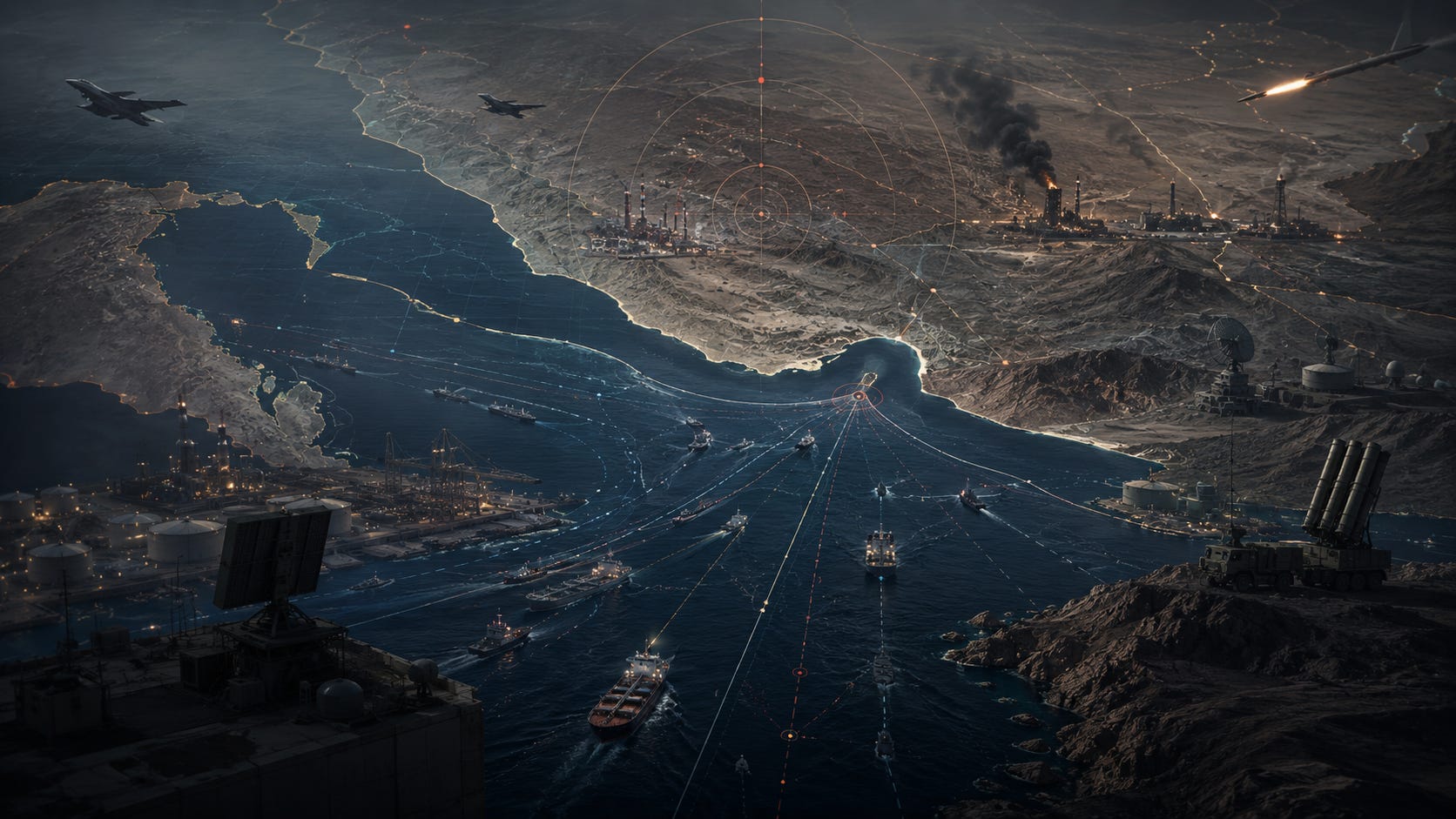
It would be an analytical error to assume that, because the United States and Israel paid a heavy cost in the recent war without achieving their objectives, the likelihood of a renewed attack has necessarily declined. In security policy, the opposite can sometimes be true: when a costly operation falls short of its full objective, decision-makers may think not of retreat, but of designing a shorter, more intense, and more focused strike.
In the recent war, the United States and Israel targeted and damaged part of Iran’s military capability. But significant parts of Iran’s missile, drone, underground, naval, and air capabilities have either remained or been restored.
At the same time, these attacks were not low-cost for the United States and Israel. To achieve even this level of damage, they consumed a significant quantity of their scarce, expensive, and slow-to-replace munitions, especially in the areas of missile defense, advanced interceptors, and precision missiles.
But the combination of these two realities does not necessarily mean that the risk of war has declined. On the contrary, it may signal the beginning of a more dangerous phase: one in which the attacking side wants to avoid an attritional war, but still seeks to impose a higher cost on Iran.
Several factors keep this risk alive.
First, the negotiating impasse. When the diplomatic path becomes blocked and there is no sign of an opening, the military option again becomes more prominent in the calculations of decision-makers—not because it is low-cost, but because, from their perspective, it is the only remaining tool for changing Tehran’s calculations.
Second, Israeli pressure. Israel does not regard the recent war as the end of the matter. Rather, it sees it as an unfinished phase: one that degraded part of Iran’s capability, but did not eliminate its key capabilities.
From Tel Aviv’s perspective, the costs paid so far must lead to a tangible result. Within Israel, the perception is gaining strength that the current ceasefire has not delivered sufficient strategic gains. As a result, pressure to continue pursuing the military option is increasing.
Alongside this, Israel sees the coming months as a political window of opportunity: a period in which it can still influence Washington’s decision and persuade the United States to participate in another military campaign. Concern over a shift in the political balance in the United States, especially as the midterm elections approach, reinforces this sense of urgency in Tel Aviv.
Third, the short-term limits of the blockade as a tool. A maritime blockade, even if painful, does not produce immediate effects. It takes time, it is not comprehensive, it can be circumvented, and Iran also has reserves and adaptive capacity that allow it to reduce the pressure.
On the other hand, disruption in the Strait of Hormuz is imposing mounting costs on the global economy, which in practice compresses the timeline for U.S. decision-makers. Put simply, if economic and maritime pressure on Iran takes time to have an effect, but its costs for the global economy appear quickly, the military option again becomes more attractive.
Fourth, the possibility that a new operational window may open. A renewed attack does not necessarily begin with a decision to launch a long war. Sometimes a specific opportunity can change the calculations: an intelligence opportunity, such as the gathering of senior commanders in one location; a domestic crisis or unrest; the clear failure of negotiations; or the acquisition of new intelligence about critical infrastructure.
My assessment is that the drivers of a renewed air attack are very serious, and in the calculations of Washington and Tel Aviv they may outweigh concerns about its costs.
The experience of the 39-day war will also shape the form of the next attack. If degrading part of Iran’s military capability carried such a cost, the United States and Israel may conclude that, if they act again, they should not enter a prolonged war of attrition. Instead, they may seek to design a shorter, more intense, and more focused strike. Therefore, in a renewed attack, their objective will not be the destruction of Iran’s military capability or regime overthrow. Such an objective would be extremely costly, time-consuming, and uncertain.
The more realistic objective would be to impose a heavier cost in a shorter period of time, especially against infrastructure, energy, ports, and logistics routes. In other words, the aim would be to strike points that make the continuation of the current situation more costly for Tehran and force it to retreat from its positions.
Therefore, the depletion of U.S. and Israeli munitions stockpiles does not necessarily mean retreat. It may push them away from an attritional war and toward a shorter, more intense, infrastructure-focused attack. The main danger is not a long conventional war. The main danger is phased, focused, and damaging attacks—attacks whose purpose is not Iran’s military defeat, but changing Tehran’s calculations by imposing costs.
Thanks for reading! Subscribe for free to receive new posts and support my work.