 نسخه فارسی
J.D. Vance’s Rise Exposes a Divide in Trump’s Camp
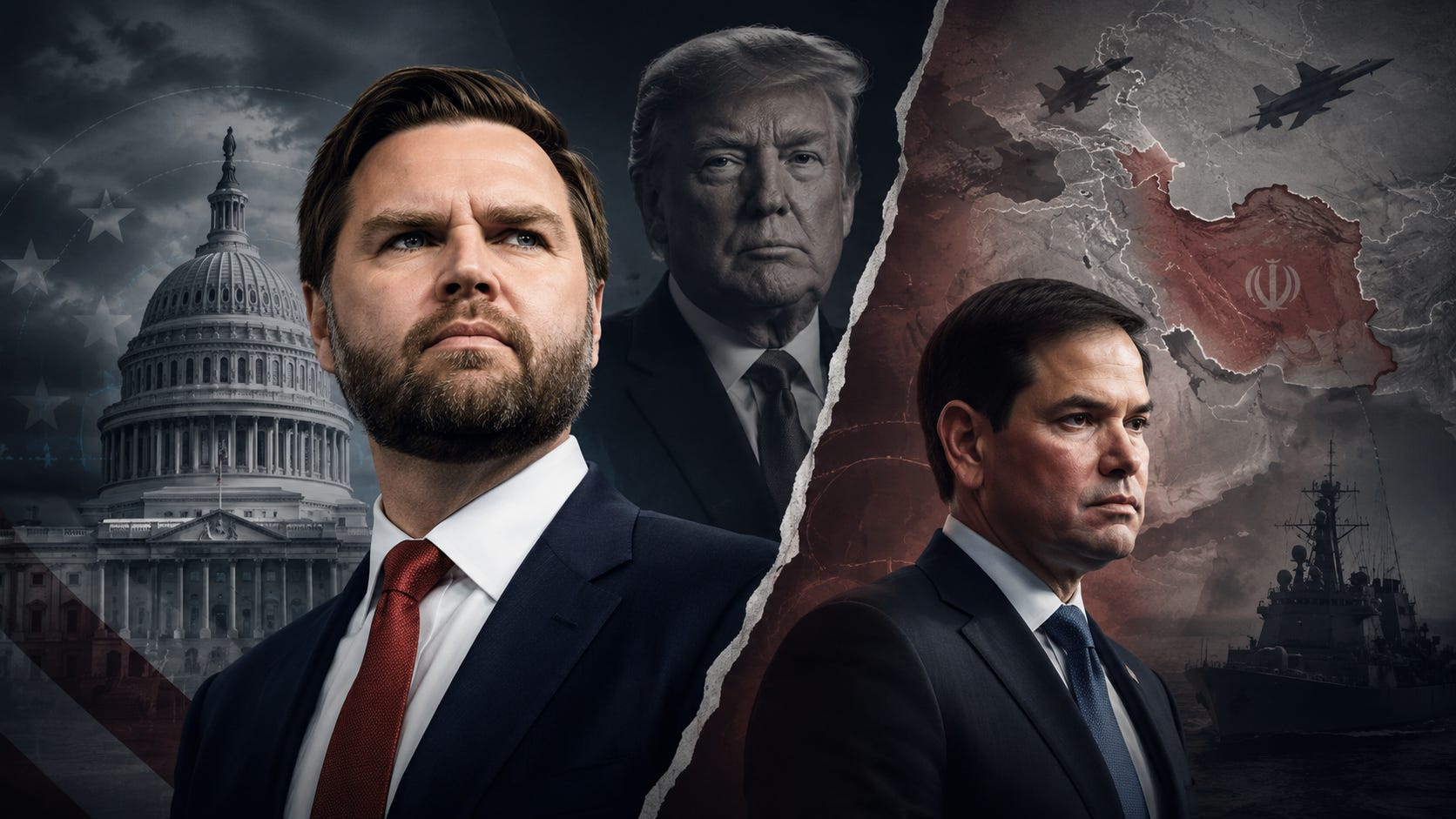
In the latest CPAC straw poll in the United States, J.D. Vance finished ahead of Marco Rubio, receiving 53 percent of the vote compared with Rubio’s 35 percent. For now, he has become the more popular Republican option to succeed Trump in the 2028 U.S. presidential election.
It is still too early to predict an election that will take place more than two years from now. But this development points to something more significant than a partisan straw poll: a notable shift within Republican ranks. Before the attack on Iran, the balance of influence in the Trump administration appeared to have tilted, to some extent, in favor of Marco Rubio and the interventionist and militarist wing. J.D. Vance’s standing, by contrast, had weakened compared with earlier periods. Now, however, as the war becomes protracted, dissatisfaction with its consequences grows, and the political cost of the conflict rises, Vance is once again rebuilding his position within the Republican base.
The significance of this development lies in the fact that the competition between Vance and Rubio is not merely a contest between two figures. To a considerable extent, it reflects a competition between two approaches within the Republican Party. On one side is the Rubio-aligned wing, which holds harder-line, more aggressive, and more interventionist positions on foreign policy. This outlook is aligned with Zionist positions and, on the Iran issue, is close to Trump’s hawkish stance. On the other side, Vance is closer to a camp that could be described as “isolationist”: a wing that is not anti-Israel, but wants U.S. foreign policy ultimately to be shaped by the standard of “America First” and does not want Washington to serve the priorities of others, including Israel.
From this perspective, Vance’s renewed rise can be seen as one political expression of dissatisfaction with the war with Iran. Multiple reports and Vance’s own public statements also suggest that he has been more cautious than Rubio regarding U.S. military intervention. This outlook has become more appealing to part of Trump’s base. If, alongside this position, he also manages to play a successful role in the negotiation process, his future standing could be strengthened further.
In other words, the issue is not merely who is currently ahead in the CPAC poll. The central point is that the war with Iran has made a long-standing divide within Trump’s camp more visible: the divide between those who want the United States to pay the costs of Israel’s wars and those who insist that the boundaries of “America First” must be preserved.
Thanks for reading! This post is public so feel free to share it.